Navigating OFAC-Related Issues: A Comprehensive Guide
The Office of Foreign Assets Control (OFAC) plays a crucial role in enforcing U.S. economic and trade sanctions. For individuals and businesses, navigating OFAC-related issues can be complex and daunting. Understanding these regulations is essential to avoid severe consequences, including penalties and legal violations. In this article, we will explore how to manage OFAC compliance effectively and provide help with OFAC-related issues http://fish-pet.com/pages/help-with-ofac-related-issues-avoiding-penalties-and-violations.html that can help mitigate risks.
What is OFAC?
The Office of Foreign Assets Control, a part of the U.S. Department of the Treasury, administers and enforces economic and trade sanctions based on U.S. foreign policy and national security goals. OFAC regulations prohibit U.S. individuals and entities from engaging in transactions with sanctioned countries, entities, or individuals. Sanctions can be imposed for various reasons, including issues related to terrorism, proliferation of weapons of mass destruction, and human rights abuses.
The Importance of OFAC Compliance
Compliance with OFAC regulations is not just a legal obligation but a crucial aspect of maintaining business integrity and trust. Non-compliance can lead to hefty fines, loss of business opportunities, and reputational damage. Additionally, individuals and businesses may face criminal prosecution if found willfully violating OFAC sanctions.
Moreover, complying with OFAC regulations fosters positive relationships with banks and other financial institutions, which are required to have robust compliance programs. A single mistake can result in the freezing of assets, blocked transactions, and other significant repercussions for an organization.
Key Principles of OFAC Compliance
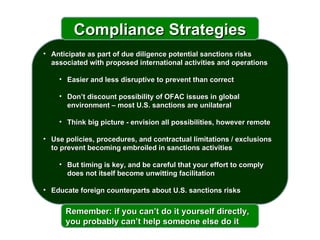
1. Know Your Customer
One of the fundamental principles of OFAC compliance is to thoroughly understand who your customers are. Conducting due diligence during customer onboarding can help identify any potential risks associated with transactions. This includes verifying customers’ names against OFAC sanctions lists and other relevant databases.
2. Screen Transactions
Regularly screening transactions against the OFAC list is a must. Automated screening solutions can streamline this process, helping organizations identify red flags in real-time. Establishing a transaction monitoring system ensures that any transactions involving sanctioned individuals or entities are detected and blocked promptly.
3. Implement Training and Policies
Developing comprehensive policies and procedures regarding OFAC compliance is essential. Additionally, training employees on these policies will provide them with the knowledge to identify and handle situations that may involve potential OFAC violations. It is crucial that staff members know the proper steps to take if they suspect a transaction could be non-compliant.
4. Maintain Records
Keeping detailed records of compliance efforts is vital in case of an audit or investigation. Companies should document their due diligence processes, transaction screens, and any communications related to compliance efforts. This solid record-keeping can serve as evidence of your organization’s commitment to OFAC compliance.
Common OFAC Violations
Understanding common violations can help businesses avoid pitfalls. Some typical OFAC violations include:
- Conducting transactions with sanctioned countries or individuals.
- Failure to block assets that should be frozen under OFAC regulations.
- Not properly screening customers before engaging in transactions.
- Inadvertently facilitating transactions that benefit sanctioned entities.
How to Respond to OFAC-Related Issues
If you suspect a violation of OFAC regulations, it is essential to act quickly and appropriately:
- Immediately cease the transaction in question to prevent further compliance issues.
- Conduct an internal investigation to determine the nature and extent of the potential violation.
- Consult with legal counsel specialized in OFAC regulations to assess your options.
- Prepare to report the violation to OFAC if necessary, as proactive reporting can sometimes mitigate penalties.
Working with OFAC Compliance Experts
Given the complexities of OFAC laws, many businesses turn to compliance experts for assistance. Working with an OFAC compliance professional can significantly reduce the risks associated with sanctions violations. These experts can help implement compliance programs, conduct audits, and provide training tailored to your organization’s specific needs.
Staying Informed of Changes
OFAC regulations and sanctions can change rapidly. It is crucial for businesses to stay informed about updates and changes to ensure ongoing compliance. Subscribing to OFAC updates, participating in industry webinars, and engaging in community discussions can help organizations remain current with best practices.
Conclusion
Navigating OFAC-related issues can be a challenging undertaking, but understanding the regulations and implementing robust compliance practices is essential. By knowing your customer, screening transactions, training staff, and maintaining records, businesses can mitigate the risks of non-compliance. For more detailed guidance and help with OFAC-related issues, consider consulting with compliance experts who can provide tailored strategies for your organization.