
Blocked Assets Under Crimea Measures: Understanding the Legal Landscape
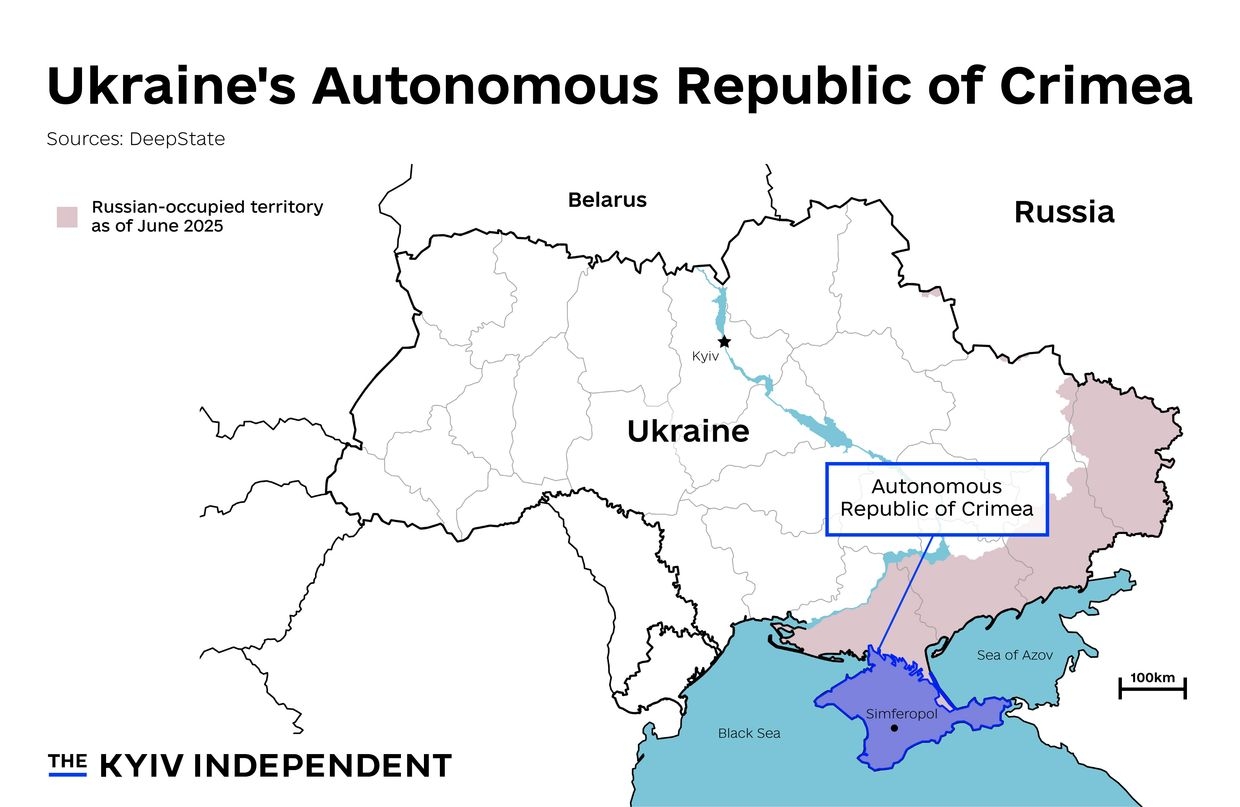
The annexation of Crimea by Russia in 2014 has led to significant geopolitical tensions and economic sanctions imposed by various countries and international organizations. These sanctions have resulted in numerous assets being blocked, impacting individuals, businesses, and governments. Understanding the legal framework surrounding these blocked assets is crucial for affected parties. For more detailed insights, visit blocked assets under Crimea measures https://eatingwithkirby.com/news/blocked-assets-under-crimea-measures-legal-consequences.html.
Background of the Sanctions
The imposition of sanctions in response to the annexation of Crimea emerged as a strategic tool to pressure Russia and assert international law principles. The United States, the European Union, and other nations implemented a range of measures, including asset freezes, trade restrictions, and travel bans. These sanctions aimed not only to penalize Russia but also to deter further violations of territorial integrity and sovereignty.
Legal Framework for Blocked Assets
Blocked assets refer to financial resources that cannot be accessed or transferred due to legal prohibitions imposed by sanctions. The legal framework governing these assets is complex and varies from one jurisdiction to another. In general, blocked assets may include bank accounts, real estate, and investments that are owned by individuals or entities subjected to sanctions.
In the United States, the Office of Foreign Assets Control (OFAC) is responsible for enforcing such sanctions. Entities and individuals are required to comply with these measures or face severe penalties, including substantial fines and potential criminal charges. Similarly, the European Union has established its own legal framework under the Common Foreign and Security Policy (CFSP), targeting persons and entities involved in activities that undermine the territorial integrity of Ukraine.
Impact on Individuals and Businesses
The effects of blocked assets can be devastating for both individuals and businesses. For individuals, this might mean the inability to access their savings or liquidate investments. Businesses that have operations tied to properties or accounts that are blocked may face operational challenges, including the loss of revenue and difficulties in continuing trade with partners.
Furthermore, the ramifications extend beyond the immediate financial loss. Individuals and corporations can experience reputational damage, as they are often viewed with suspicion in international markets. This situation can deter future investments and business opportunities, compounding the economic impact of the sanctions.
Legal Consequences and Compliance Challenges
Individuals and entities facing blocked assets must navigate a challenging legal landscape. The main legal consequences involve potential penalties for non-compliance, which can include hefty fines that can reach millions of dollars. Additionally, there is a risk of criminal prosecution in severe cases, especially if the authorities can establish that the parties intentionally violated sanctions.
Compliance is further complicated by the need to understand the constantly evolving nature of sanctions. Regulations can change rapidly, and what might have been permissible one day can become illegal the next. As such, it is essential for affected parties to remain vigilant and seek legal counsel when dealing with blocked assets.
Litigation and Dispute Resolution
When assets are blocked, affected parties may consider litigation as a recourse. However, the legal landscape is fraught with challenges. Many cases related to blocked assets may be subject to arbitration or be influenced by international law principles. Courts may also be hesitant to intervene in matters involving sanctions due to the political implications.
For effective resolution, parties often engage in dispute resolution mechanisms that may involve negotiating with relevant authorities or seeking clarifications on the sanctions’ application. Legal experts specializing in international law and sanctions compliance play a vital role in navigating these disputes and advocating on behalf of their clients.
Potential for Change and Future Outlook
The situation in Crimea and the overarching sanctions regime remains fluid. Various stakeholders are constantly assessing the g

eopolitical conditions, which may lead to shifts in policies and sanctions related to Crimea. A potential easing of sanctions could impact blocked assets dynamics, but such changes largely depend on diplomatic negotiations and geopolitical developments.
On the other hand, there is also a possibility that sanctions could be expanded. In response to ongoing conflicts or actions by Russia that are viewed as aggressive or non-compliant with international norms, policymakers may impose additional sanctions, which would further complicate the landscape for blocked assets.
Conclusion
The issue of blocked assets under Crimea measures embodies complex legal, economic, and political dimensions. A comprehensive understanding of the sanctions framework is essential for individuals and businesses faced with these challenges. With the potential for both escalation and resolution in the geopolitical context, affected parties must remain proactive in managing their assets and complying with the evolving legal landscape.
In summary, navigating the realm of blocked assets due to sanctions requires careful attention to legal details and foresight in strategic planning. With continuous developments in international relations, staying informed and agile in response to changes will be key in mitigating the impacts of blocked assets.