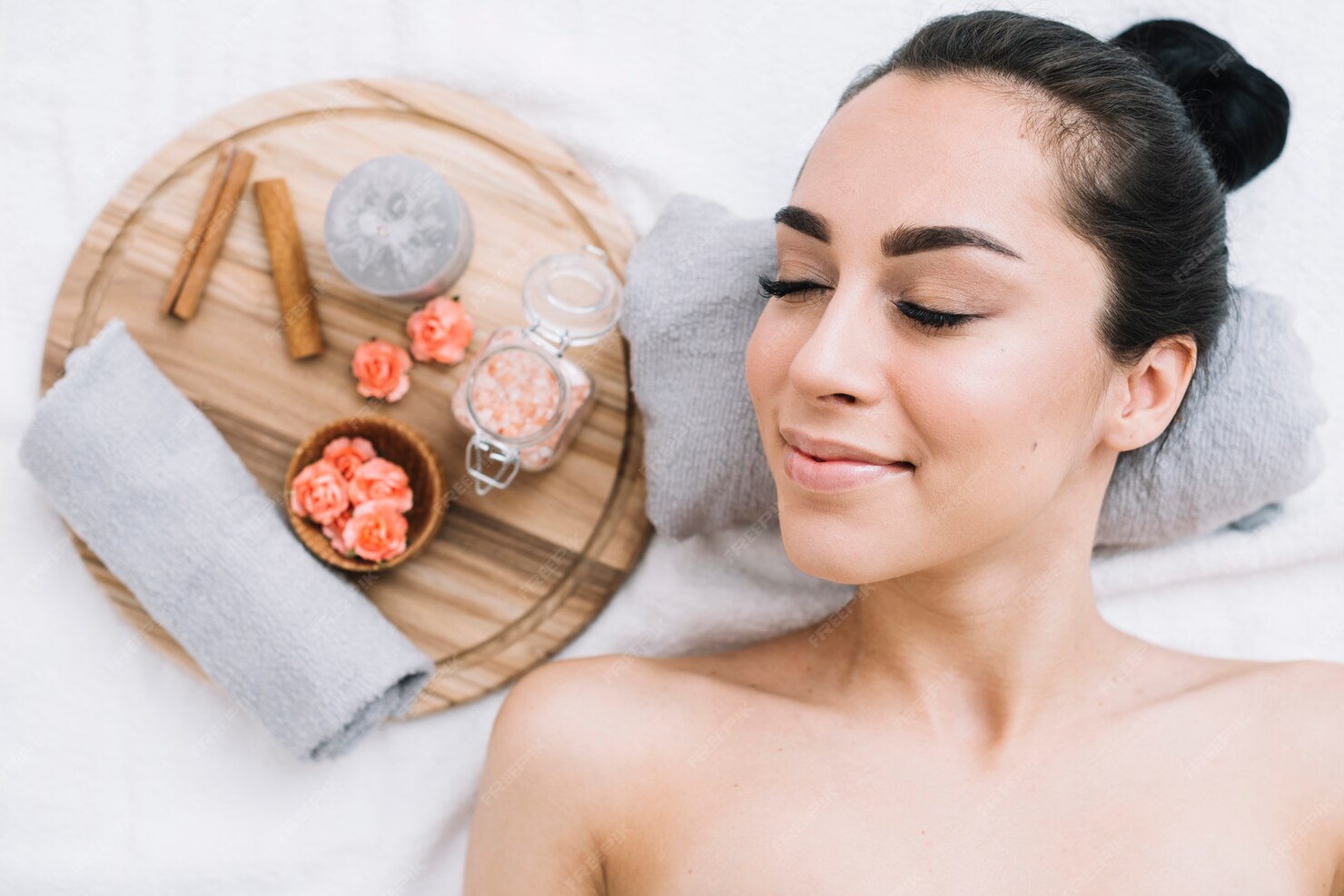
There’s something quietly effective concerning old routines – the ones that made it through centuries of modification and still make good sense today. Ayurvedic massage therapy, particularly the method of abhyanga, is among those. Think of a cozy, abundant oil trickling with your fingers, the stable stress grounding you back into your body after a day of, well … every little thing. It’s not nearly ‘relaxing,’ though that occurs as well – it has to do with real recovery, physical and psychological.
Ayurvedic massage (I’ll make use of that term a few times because it’s the umbrella we’re speaking about) is getting traction once more due to the fact that people are realizing: we don’t need another device or chemical remedy to really feel better. Often we just need our hands, great oil, and a little persistence. And trust me, as soon as you experience the glow of abhyanga ayurvedic massage therapy, it’s difficult to go back.
What Is Ayurvedic Massage Therapy (Abhyanga)?
Ok, allow’s slow down a bit – exactly what are we speaking about when we say ayurvedic massage therapy or abhyanga?More Here doshas valencia At our site
In Ayurveda (which, incidentally, is a 5,000-year-old healing system from India), abhyanga is a day-to-day self-care routine involving a full-body warm oil massage. It’s not the deep-tissue elbow-digging you could expect from a Western medical spa. No, abhyanga is gentler, much more balanced – like you’re both rubbing and feeding your body at the same time.
The oils are a big deal below – it’s typically medicated or herbal oils picked particularly for your dosha (your mind-body constitution). Much more on that quickly. But basically, ayurvedic oil massage therapy isn’t simply apparent. It’s a healing method that’s claimed to penetrate the tissues, nourish the body organs, and, in some way, even stabilize feelings.
There’s also ayurvedic body massage done by expert specialists (specifically in Kerala, where the kerala ayurvedic massage therapy tradition is solid), however self-abhyanga in the house is deeply encouraged. Ayurveda believes that everyday oiling can literally slow down aging, strengthen the body immune system, and improve mental clearness. And I’ll be straightforward – after doing abhyanga consistently for a month, my skin looked like it came from somebody that oversleeps a temple made of satin. I’m not joking.
Benefits of Abhyanga Self-Massage
Physical impacts: blood circulation, detoxification, skin sustenance
Let’s geek out momentarily because the physical advantages of abhyanga ayurvedic massage are pretty wonderful.
When you heat the oil and massage it into your skin, you’re doing a few crucial points simultaneously: promoting circulation, improving lymphatic drain, and deeply hydrating the tissues. Picture it like lovingly wringing out your worn out limbs, squeezing out toxins, and changing them with sustenance.
And also, ayurvedic oil massage therapy is popular for enhancing skin texture. The oils used – like sesame, coconut, or almond – are packed with nutrients that the skin actually drinks in (unlike some synthetic lotions that simply rest there like clingfilm). Also, routine practice enhances the joints, unwinds muscular tissue stress, and truthfully, makes you feel like you’re covered in a cozy hug.
Side note: I made use of to have those odd ‘creaky’ knee appears during squats. After a couple of weeks of abhyanga, the creakiness – gone. Coincidence? Possibly. Yet I’m not betting versus Ayurveda.
Mental/emotional benefits: stress and anxiety relief, grounding, clarity
Now onto the softer, subtler magic: the mental and psychological stuff.
Ayurvedic head massage therapy (yes, there’s a whole thing for simply the scalp, called ayurvedic scalp massage therapy) can be particularly comforting. The slow-moving, intentional motion via the crown of the head really calms the nervous system, equilibriums prana (life force energy), and lowers nervous thoughts.
There’s a real, concrete grounding effect after a session. You may begin with an auto racing mind full of to-dos, and end up … simply existing. Like a well-rooted tree swaying delicately with life. Appears dramatic, but any individual who’s experienced an indian ayurvedic massage therapy will certainly tell you – the psychological exhale is real.
I have actually personally had evenings when I strolled into a session feeling exhausted and weak and floated out feeling luminescent, like a person had actually straightened out my whole mood.
Exactly how to Choose the Right Ayurvedic Oils
Below’s the important things: not all oils are developed equal when it involves ayurvedic massage. Selecting the right oil for your constitution (your dosha) is half the magic. It’s a bit like finding the ideal set of footwear – sure, you can use anything practically, yet the ideal fit modifications every little thing.
In ayurvedic massage treatment, the oil acts nearly like a bridge between you and equilibrium – it lugs the herbs’ knowledge into your body, relaxing whatever’s out of whack. And trust me, you know when you get it right. It’s like your body lets out a deep, quiet ‘thank you.’
Best oils for every dosha (Vata, Pitta, Kapha)
Let’s keep it basic. You don’t need to examine Sanskrit to select your oil.
- Vata Dosha (air and room components): Dry, cold, and often troubled.
- Best oils: Cozy, hefty oils like sesame oil, ashwagandha-infused oils, or malkangani oil (personnel favored!). These oils anchor the nerves and hydrate dry tissues.
- Pitta Dosha (fire and water aspects): Hot, intense, typically inflamed.
- Best oils: Air conditioning oils like coconut oil, brahmi oil, or a special natural mix called pitta-balancing oil. These calm heat, irritation, and internal fires (both literal and emotional, ha).
- Kapha Dosha (planet and water elements): Dense, slow, often heavy.
- Best oils: Light, boosting oils like mustard oil or triphala-infused oils. These oils rejuvenate and aid move torpidity – sort of like poking a relaxing bear awake after winter months.
Tiny admission: I’m mainly Vata, but once in summer, I mistakenly utilized a heavy sesame oil when I was currently feeling overheated. Instantaneous regret. I was essentially a human pancake – hefty, sticky, miserable. Precept? Match your oil to your dosha and your atmosphere.
How oils support skin health and inner balance
Beyond doshas, great ayurvedic oil massage therapy nurtures the skin in methods creams can not desire for.
Why? Due to the fact that oils are lipid-based, and our skin’s all-natural barrier is as well. That indicates the nutrients really absorb much deeper, sustaining hydration, flexibility, and strength at the mobile level. If you take care of dryness, very early wrinkles, irritation – everyday abhyanga with the ideal oil can be a game-changer.
And inside? Oils pacify vata (which controls movement, consisting of nerve impulses). This creates security, better food digestion, enhanced sleep, and also far better mood policy.
One last note: finest ayurvedic massage experiences typically include making use of specially ready oils with dozens of natural herbs cooked right into them. If you obtain the chance to try one throughout a kerala ayurvedic massage, do it. It resembles an orchestra of plants playing a symphony on your skin.
How to Do Abhyanga in your home
You do not require a full health club arrangement to bring abhyanga ayurvedic massage therapy into your every day life. Honestly, you don’t even need greater than 20 minutes. What matters is purpose – that slow-moving, caring attention you seldom offer yourself.
Step-by-step regular and timing
Here’s an easy, real-world guide:
- Cozy the oil: Pour your picked oil into a small container. Warm it by positioning it in hot water for a couple of mins (don’t microwave it, unless you like sad, microwaved chi).
- Undress in a cozy area: Preferably, someplace you will not slip and break a hip (seriously, oil and tile floors are not pals).
- Beginning at the scalp: Massage cozy oil into your head first. Use your fingertips, not your nails, with round activities. This is ayurvedic head massage in action.
- Job downward: Relocate to your face, neck, shoulders, arms – always brushing towards your heart. Long strokes on the limbs; round on the joints.
- Massage therapy the abdomen and chest carefully: Big, clockwise circles aid food digestion. Then move onto legs and feet – take your time right here; ayurvedic foot massage therapy is extremely grounding.
- Let it sit: Ideally, allow the oil soak in for 15-30 minutes. Use this moment to drink natural tea, practice meditation, or merely zone out gloriously.
- Shower wise: Use cozy water and a mild soap only if required. Hot water opens pores and helps oils pass through deeper.
Incentive Pointer: Keep an old towel for this. Oil discolorations materials completely – found out that the messy way.
When to avoid Abhyanga or look for specialist treatment
There are a few times when self-abhyanga isn’t recommended:
- Throughout illness, high temperature, or severe digestive system imbalance
- Instantly after square meals
- During menstrual cycle for some ladies (though this differs separately)
- If you have extreme skin conditions or open injuries
In these cases, it’s far better to seek advice from an Ayurvedic expert. Often, tailored therapies like indian ayurvedic massage sessions (done by trained therapists) are a better fit.
And hey – getting pampered by a pro is never a negative concept either.
Ayurvedic Massage vs Western Massage Therapy
Ok, so if you’re asking yourself – how does ayurvedic massage compare to, say, a regular Swedish or deep cells massage therapy? Fair question.
Western massage therapy has a tendency to focus largely on muscle mass. You walk right into a health club with tight shoulders; they dig in with elbow joints and elegant strategies up until those knots surrender (or you cry uncle). It’s mechanical – restorative, for certain – but commonly centered on physical tension.
Ayurvedic massage treatment, on the other hand, is alternative to the core. Abhyanga doesn’t simply intend to ‘take care of’ tight spots. It works to stabilize your whole energy system – mind, body, spirit – using touch, oils, rhythm, and intent. It’s not regarding fighting the body however inviting it into equilibrium.
Also, while Western massage therapy usually uses creams or unscented oils minimally, ayurvedic oil massage actually floodings the body with warm, herbalized oils. We’re talking generous, nurturing quantities. Your skin becomes a sponge, your nervous system a purring feline.
Quick imaginary scene: my friend once booked a kerala ayurvedic massage therapy during a backpacking trip in India. She anticipated ‘a little oil and a good rub.’ Instead, she virtually needed to swim home afterward, totally blissed out. (And her skin shone for days.)
In short: Western massage treats muscular tissues. Ayurvedic massage nurtures the whole being.
Conclusion
Below’s the honest truth: in a world running towards much faster fixes and digital whatever, practices like abhyanga ayurvedic massage really feel almost defiant. They slow you down. They demand your existence. They nurture parts of you that modern-day life neglects.
Whether you’re drawn to the deep relaxation of ayurvedic scalp massage, the physical strengthening of ayurvedic foot massage therapy, or just the relaxing, basing hug that is daily ayurvedic body massage, there’s something in this practice that reverberates at a primal, human level.
And you do not need to reserve a flight to India or spend hundreds at a health spa. You simply need a bottle of oil, your hands, and the willingness to tune in.
If you’re reading this, perhaps it’s your sign: try Abhyanga. Start small. Feel it out. Mess it up a little. (That’s real life, right?) And enjoy how something so basic can start to change every little thing.
Start your ayurvedic massage therapy trip today – grab your favorite dosha-balancing oil, carve out a peaceful half-hour, and give yourself the gift of genuine self-care. You deserve it.